TMS — Transcranial Magnetic Stimulation
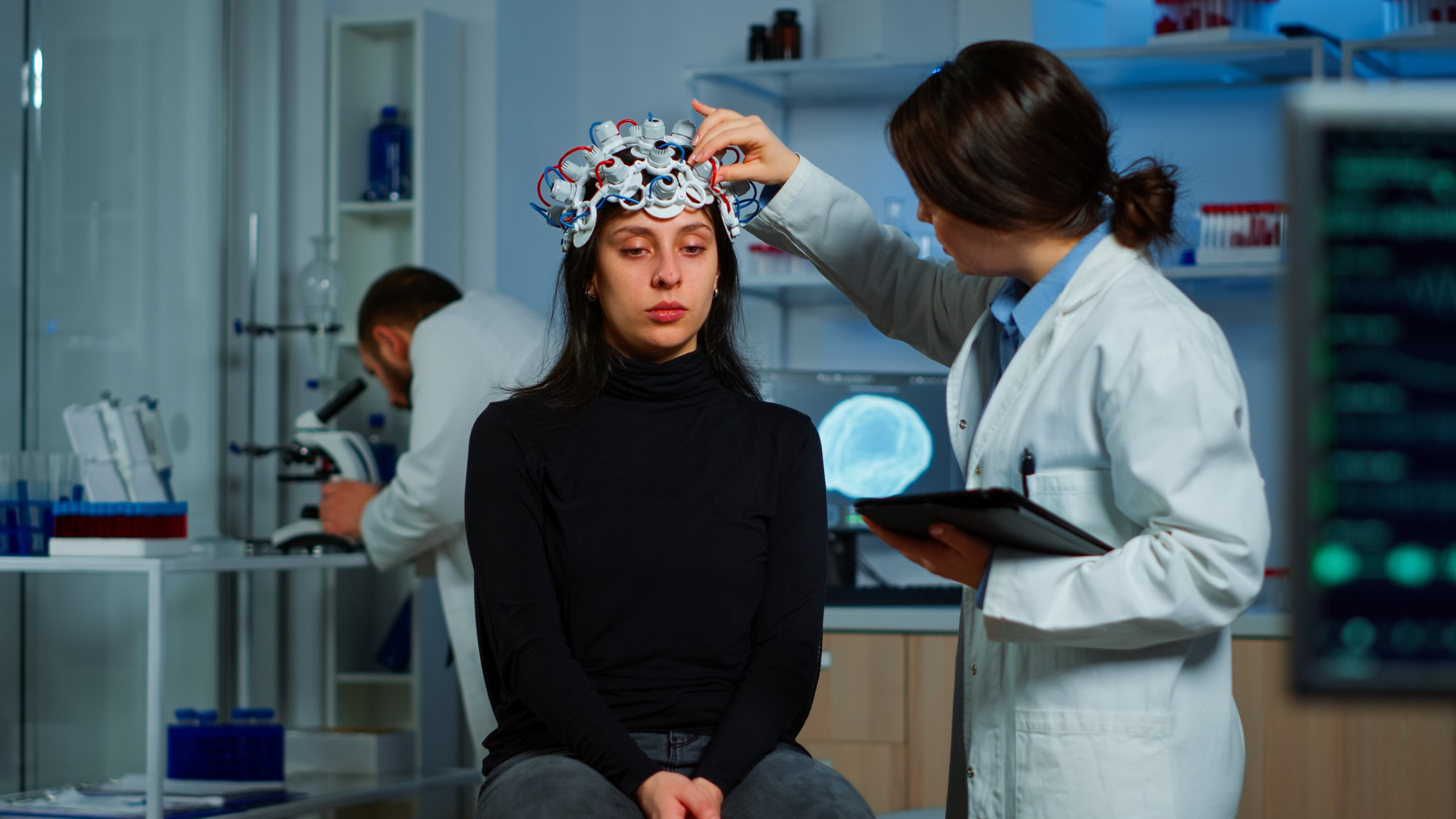
Transcranial Magnetic Stimulation (TMS) is a non-invasive brain stimulation treatment that uses magnetic fields to stimulate specific areas of the brain involved in mood regulation. It is FDA-approved and NICE-reviewed for the treatment of depression, and is an important option for patients who have not responded adequately to medication.
Unlike ECT, TMS does not require a general anaesthetic and does not cause the same degree of memory side effects. Patients are awake and alert throughout the procedure, which typically takes 30–40 minutes per session.
Dr Sivasanker has specialist expertise in TMS as part of his broad knowledge of neuromodulation therapies, and can advise on whether TMS is likely to be appropriate and beneficial for your individual situation.
Non-Invasive
No anaesthetic required — patients remain awake and alert throughout, and can drive home afterwards.
Evidence-Based
A growing evidence base supports TMS for treatment-resistant depression, with response rates of 50–60% in eligible patients.
Outpatient Treatment
Treatment is conducted as a series of outpatient sessions — typically 5 days per week for 4–6 weeks.
TMS Treatment — FAQs
Most patients tolerate TMS very well. There may be a tapping sensation on the scalp during the procedure and some people experience a mild headache afterwards, but this typically resolves quickly. TMS does not cause pain in the brain itself.
TMS does not require anaesthesia, does not induce a seizure and does not carry the same risk of memory side effects as ECT. ECT is generally considered more effective for severe depression, while TMS is often preferred for milder treatment-resistant cases or where ECT is not appropriate or acceptable to the patient.
A standard course of TMS involves 20–30 sessions, typically delivered 5 days a week for 4–6 weeks. Each session lasts approximately 30–40 minutes. Response is assessed throughout the course and the plan adjusted as needed.